

Digital Marketing Targeting Options at a Glance
If you’ve ever scrolled through social media and thought, “Wow, that ad was made for me,” that’s not an accident. It’s targeting in action. Digital marketing platforms like Facebook, Instagram, LinkedIn, Google, and YouTube give advertisers an almost endless toolkit to reach the right people at the right time.
The tricky part? Knowing who your right people are. Every click, scroll, and search your audience makes leaves clues. With the right targeting strategy, you can turn those clues into opportunities.
Here’s how modern targeting works and how you can start thinking about the best way to find your ideal customers online.
1. Who You Can Target
Think of this as audience identity. The first step in any campaign is knowing exactly who you want to reach. This isn’t just “men over 40” or “people in my ZIP code.” It’s building a profile of your ideal customer so you’re speaking directly to the people most likely to care about your product or service. When you know who they are, your ads feel relevant instead of random.
Platforms let you get incredibly specific. You can focus on:
- Demographics – Age, gender, education, income level, relationship status.
- Location – From entire countries to specific ZIP codes or even a radius around a physical address.
- Interests & Behaviors – Hobbies, purchase habits, pages they follow, devices they use.
- Life Events – Milestones like moving, graduating, getting married, or having a baby.
2. Where You Can Target Them
Once you know who you’re talking to, the next question is: where are they spending their time? Even the best-crafted ad will fall flat if it’s in the wrong place. So it’s not just about who, it’s about where they see your message:
- Search Engines – Google Ads and Bing Ads let you target based on search queries and intent.
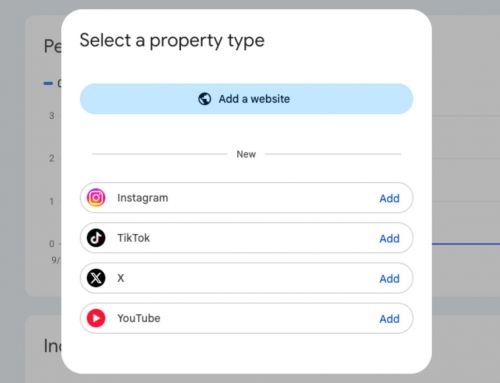
- Social Media – Platforms like Facebook, Instagram, LinkedIn, TikTok, and Pinterest offer detailed audience filters.
- Display & Video Networks – Reach users through banner ads, YouTube pre-rolls, and other placements across the web.
3. What Aspects You Can Target
Once you know who you want to reach and where they’re most active, it’s time to fine-tune how your message reaches them. This is where digital marketing really shines. Modern ad tools go beyond basic demographics and let you tailor the timing, format, and level of personalization in ways traditional advertising could never match.
- Custom Audiences – Reach people who have already visited your website or joined your email list.
- Lookalike Audiences – Find people similar to your existing customers.
- Keyword Targeting – Show ads based on the exact words people type into search bars.
- Retargeting – Remind past visitors about products they viewed but didn’t purchase.
- Time & Device Targeting – Choose when and on what devices your ads appear.
Why This Matters
Targeting options mean your marketing budget works harder and puts your message in front of the people most likely to respond. At Firefly Marketing, we build targeting strategies that cut through the noise and connect your ads with the people who matter most.
Vanity metrics might look good on the surface, but they don’t tell the whole story. You could have plenty of followers who never interact, views that lead nowhere, or reach that misses your real audience.
Focusing on how your audience engages, who they are, and the actions they take lets you create a social presence that truly drives results.

Share This Story!
Benefits of Working with a
Marketing Agency
Partnering with an agency like Firefly Marketing brings a wealth of expertise to your business. You gain access to diverse skills, industry insights, and innovative strategies tailored to your unique needs. We focus on maximizing your ROI by combining creativity with data-driven decisions, ensuring that every campaign is aligned with your overall business goals.